Archives : Anatomie du souvenir
The archive has never been a neutral repository of reality. It is always the result of a choice: what is preserved, classified, and transmitted, and what is left aside or disappears. Every archive is shaped by decisions, whether explicit or implicit. Rather than reflecting the past as it was, it produces a particular reading of it—one shaped by power, belief, and authority.
For a long time, this operation was slow, material, and institutional. States, churches, empires, and scholarly circles constructed official memories, while fragmentary, marginal, or inconvenient narratives were excluded or erased. Even then, the archive generated silence as much as knowledge.
Today, the regime of the archive has shifted. We live in a condition of near-continuous recording. Images, voices, gestures, and even intimate data appear endlessly capturable. Yet this proliferation rests on fragile technical conditions: unstable formats, perishable supports, and deep dependence on technological and energy infrastructures. The contemporary archive promises permanence while simultaneously organizing its own obsolescence.
This shift is decisive. The archive is no longer threatened only by forgetting, but by partial survival: fragments without context, traces detached from their origins, documents that persist but become ambiguous or misleading. What reaches the future will not be whole or coherent, but incomplete, discontinuous, and open to interpretation.
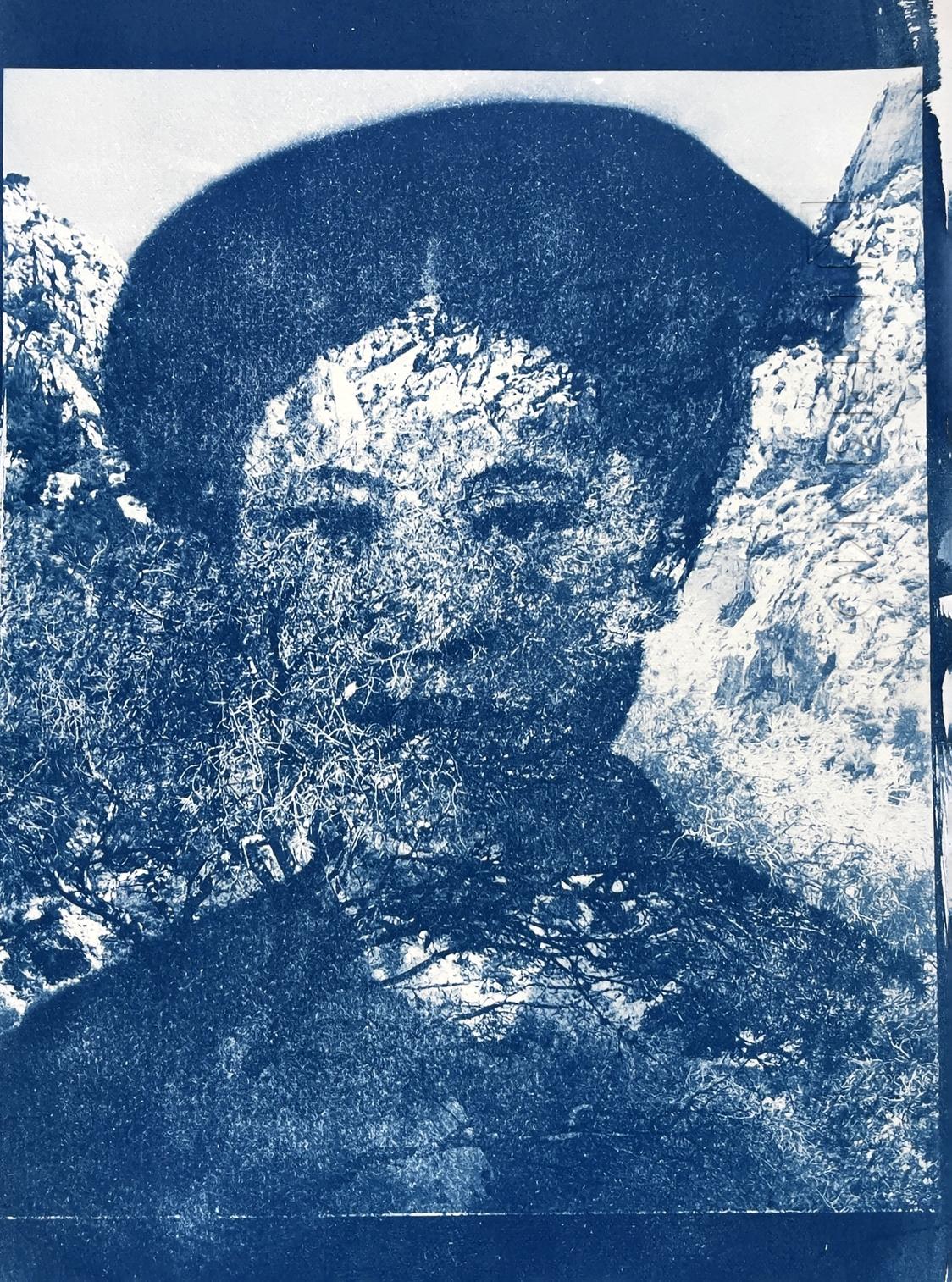
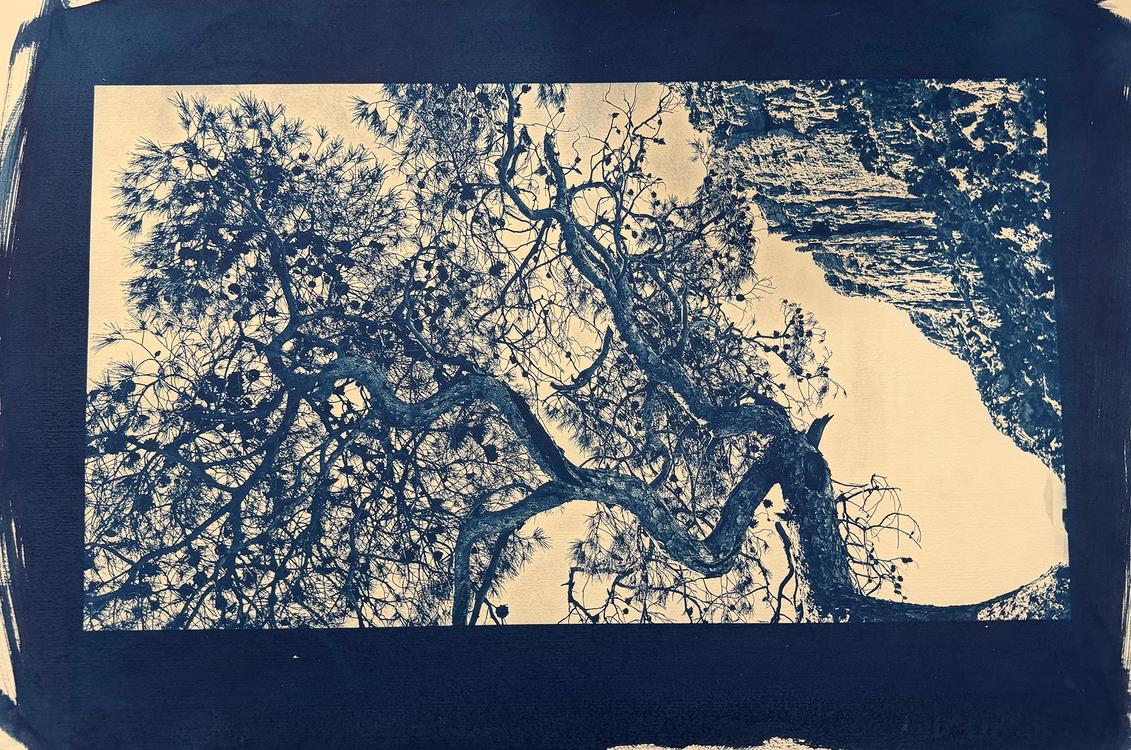
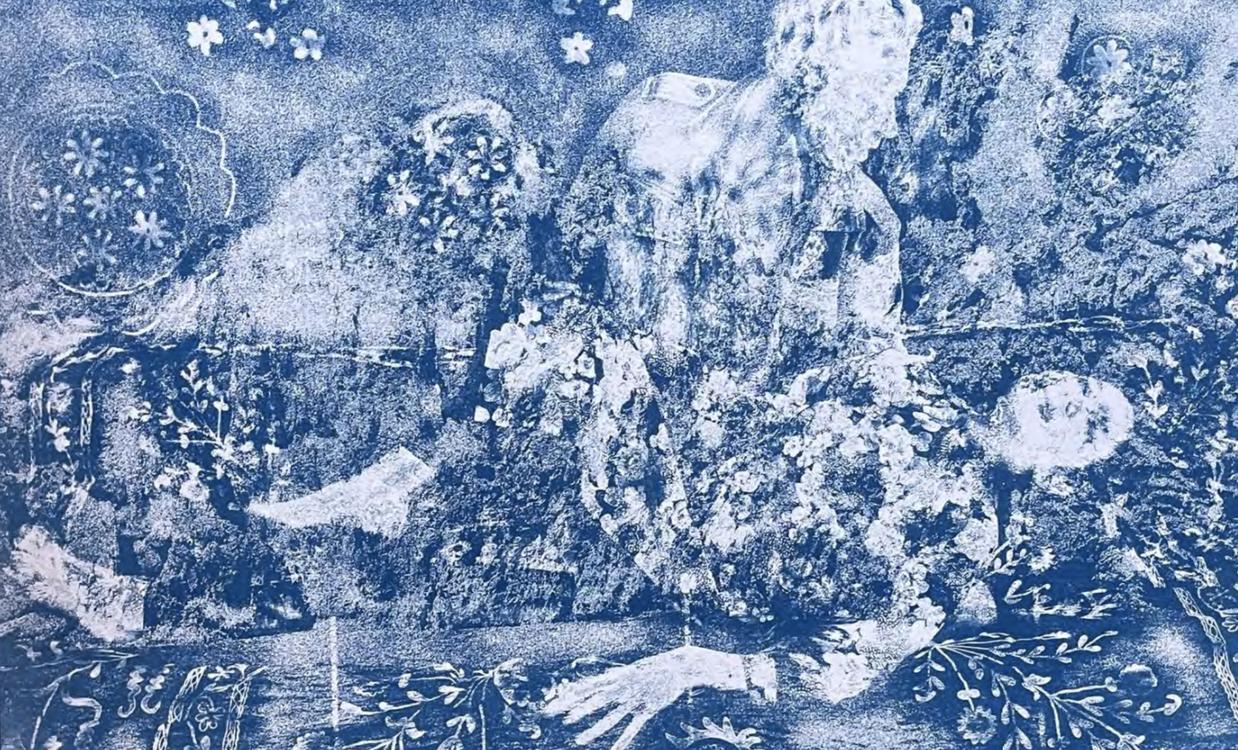
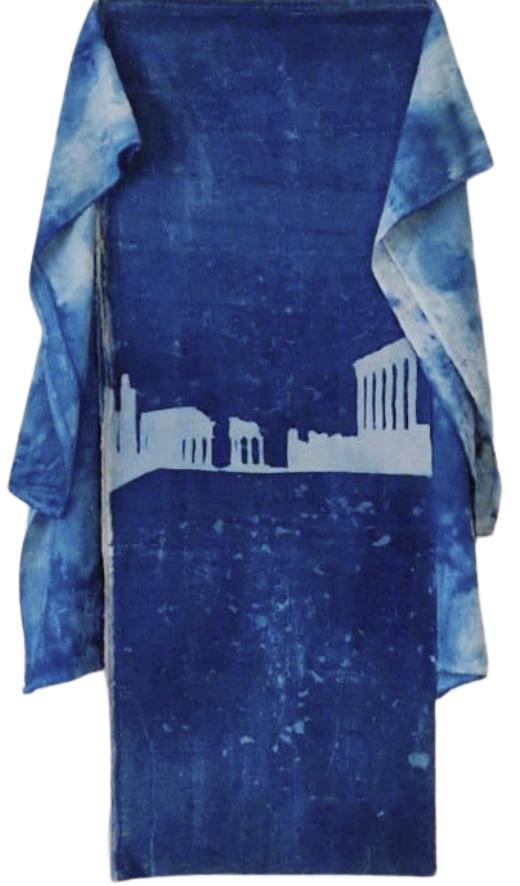
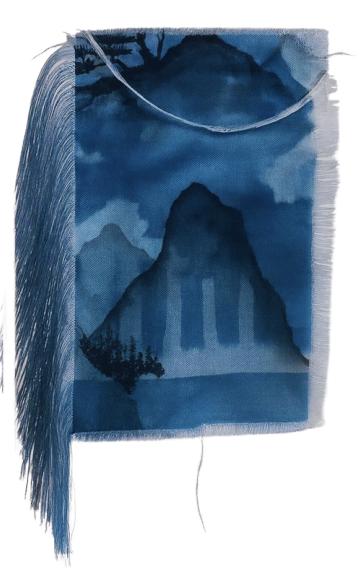
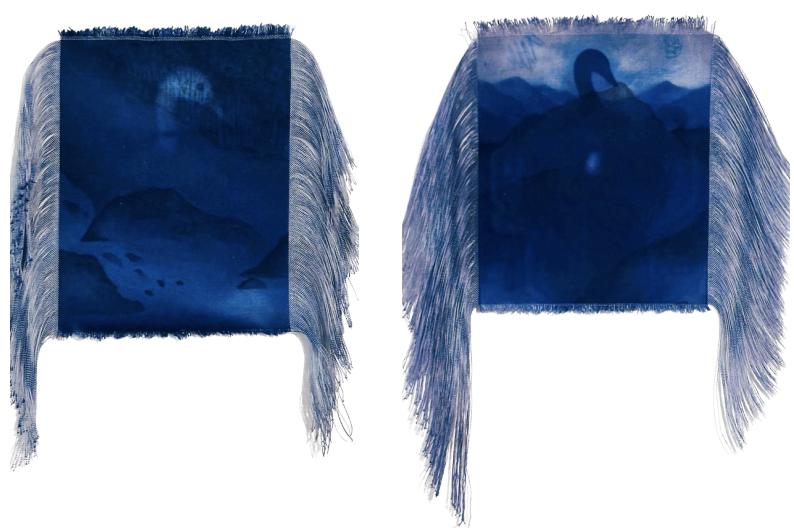
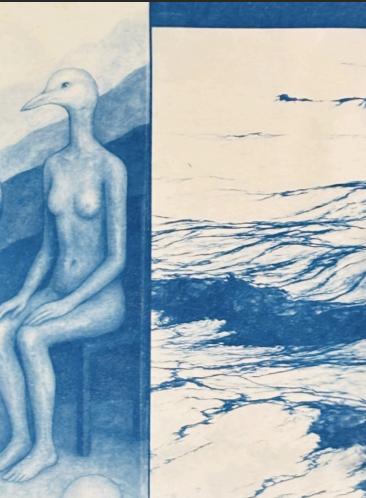
This exhibition approaches the archive not as stable evidence of the past, but as an unstable, affective, and speculative material. The works of Flor Amae Nguyen, Laurence Antignac, and Sirin Boubaker engage with this fragility. They treat the archive as a space of displacement and recomposition, where memory, fiction, and transmission intersect. What is shown is not what was, but what remains—altered, displaced, only partially legible.
At the center of the exhibition, a very short film functions as an archive projected toward the future. Assembled from images and sounds with no identifiable origin, it constructs the intimate memory of an individual of no apparent historical importance. Nothing confirms that what is shown ever truly happened. And yet the film produces a precise effect: a recognizable, almost familiar nostalgia for a past no one has lived.
This disturbance is not incidental. It reveals a contemporary shift: visual evidence no longer guarantees the existence of an event. In an era of generated, simulated, and synthetic images, a fiction can become an archive, and an archive can produce belief. History is no longer grounded solely in facts, but in narratives capable of generating emotional adhesion, repetition, and trust.
Archives : Anatomie du souvenir places the visitor in an unstable position—that of a future archaeologist confronted with uncertain documents, ambiguous traces, and images that may be false yet emotionally convincing. The exhibition does not seek to reconstruct a faithful history, but to examine how memory is produced from what remains, what is missing, and what is believed.
When our archives lose their reliability,
what story of ourselves will we still be able to produce—and to believe?
 Sirin Boubaker, Flora Mae Nguyen, Laurence Antignac, Karima Ben Cheikh
 Galerie KHÅL, 6 rue de l'Arbalète 75005 Paris
 March 12th — April 9th, 2026
 From Tuesday to Saturday, 11AM-7PM
Selected works
-
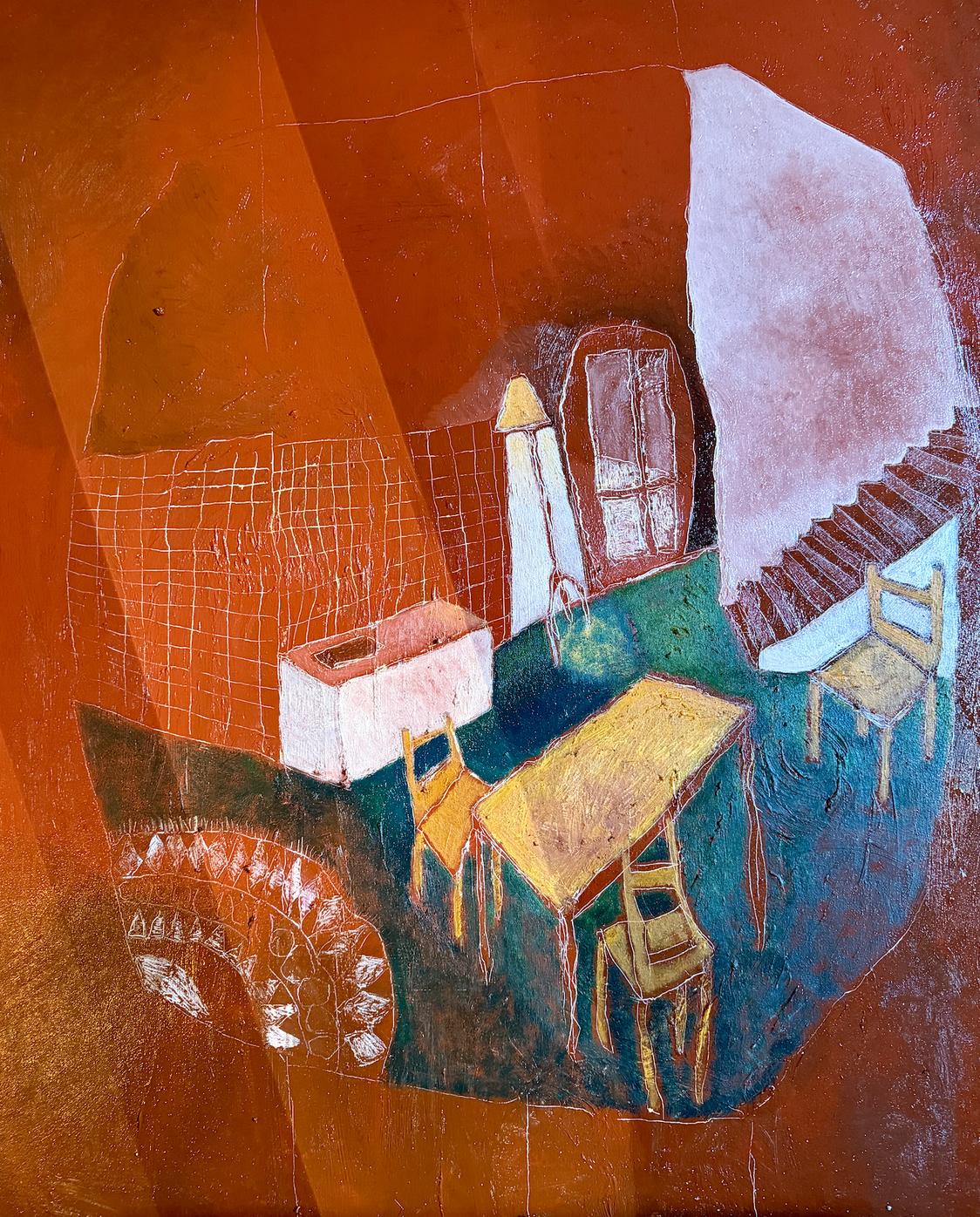
Karima Ben Cheikh
Archives, Interieur 1 , 2026
Courtesy of the artist and Galerie KHÅL -
Flora Mae Nguyen
Fantôme
Courtesy of the artist and Galerie KHÅL -
Flora Mae Nguyen
Encre
Courtesy of the artist and Galerie KHÅL -
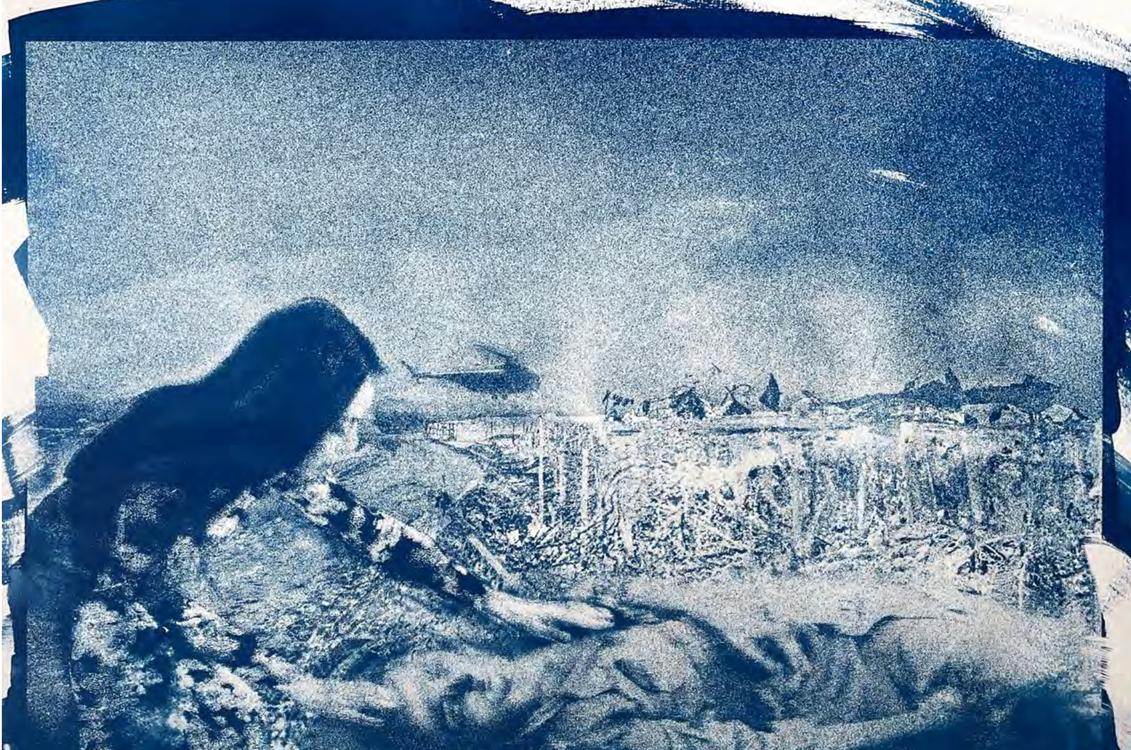
Flora Mae Nguyen
Dien Bien Phu
Courtesy of the artist and Galerie KHÅL -
Flora Mae Nguyen
Hero et Leandre, la disparition, chap 1 , 2023
Courtesy of the artist and Galerie KHÅL -
Sirin Boubaker
Dustfall , 2025
Courtesy of the artist and Galerie KHÅL -
Sirin Boubaker
Where the Silence Stays , 2025
Courtesy of the artist and Galerie KHÅL -
Sirin Boubaker
Where the Silence Stays , 2025
Courtesy of the artist and Galerie KHÅL -
Sirin Boubaker
Those Who Keep Vigil Between Worlds 3 , 2025
Courtesy of the artist and Galerie KHÅL